

What is IoT?
In short: The Internet of Things (IoT)
IoT is about connecting physical devices or objects over the internet. It enables devices to ‘gather, send and receive’ data back to the cloud. The devices can also communicate with each other and share related functions.
Connected devices can send vast amounts of data that can help us make better-informed business decisions and make changes to how we live our lives at home, work, and in our environment.
The Internet of Things (IoT) allows for remote devices, like routers or tracking devices, to connect to the internet, a data network via the mobile network operators (MNOs) to create a ‘smart’ device or environment, thus becoming the Internet of Things.
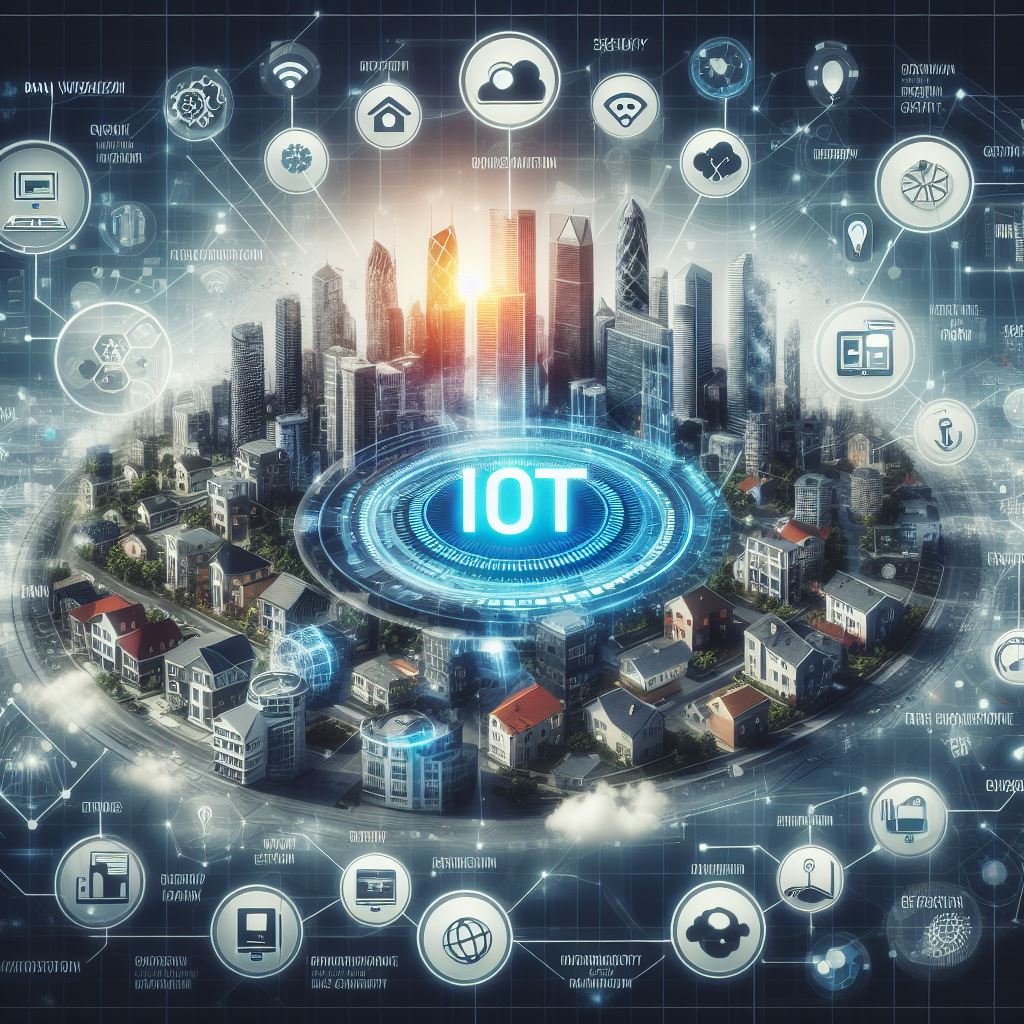
The network of physical devices incorporate sensors to connect to and exchange data with other devices and systems on the Internet that create the “smart” environment.
An IoT environment has three core components to make it work:
Device Layer
These are physical devices and equipment in the home or outdoors that sense, process and transfer data. IoT hardware includes sensors and other endpoints, as well as routers and servers.
Software Layer
Software is installed on the IoT device and allows it to send, receive and process data. The software can also control the physical device.
Connectivity Layer
This final layer of the IoT is critical: it’s how devices talk to each other and transmit data to a server. Connectivity brings together Wi-Fi, Bluetooth and cellular.
Each technology is tailored to specific use cases.
The main factors to consider are cost, reliability, power consumption, configuration, ease of deployment and bandwidth.
Through this technology, many sectors such as Maritime, Connected cars, Manufacturing/ industry 4.0 and Smart Farming have adopted this technology to provide better data information to businesses that can improve performances and or even reduce carbon emissions.
‘The total Internet of Things (IoT) market worldwide was worth around 182 billion U.S. dollars in 2020, and is forecast to rise to more than 621 billion U.S. dollars in 2030, tripling its revenue in ten years.’
Source: Statista
What market sectors are impacted by the Internet of Things?
The Internet of Things has a far-reaching impact across various market sectors, revolutionising how businesses operate and deliver services. Some prominent sectors impacted by IoT include:
- Manufacturing: Enhances efficiency by enabling predictive maintenance, optimizing processes through real-time data analytics, and implementing smart manufacturing techniques in factories.
- Healthcare: Remote devices and sensors improve patient monitoring, assist in remote patient care, manage medical equipment, and track inventory, leading to enhanced healthcare services and better patient outcomes.
- Smart Cities: Enable the development of smart infrastructure for transportation, energy management, waste management, public safety, and environmental monitoring, creating more sustainable and efficient urban environments.
- Agriculture: Remote devices facilitate precision farming, monitoring crop health, optimising irrigation, and managing livestock, resulting in increased agricultural productivity and resource efficiency.
- Retail: IoT applications in retail include inventory management, personalised customer experiences through beacons and sensors, supply chain optimisation, and smart store operations to enhance customer satisfaction.
- Logistics and Supply Chain: IoT enables real-time tracking and monitoring of goods in transit, optimising routes, inventory management, and improving overall supply chain visibility and efficiency.
- Energy and Utilities: Multiple technologies help in smart grid management, monitoring energy consumption, optimising distribution, and enabling efficient energy use in households and industries.
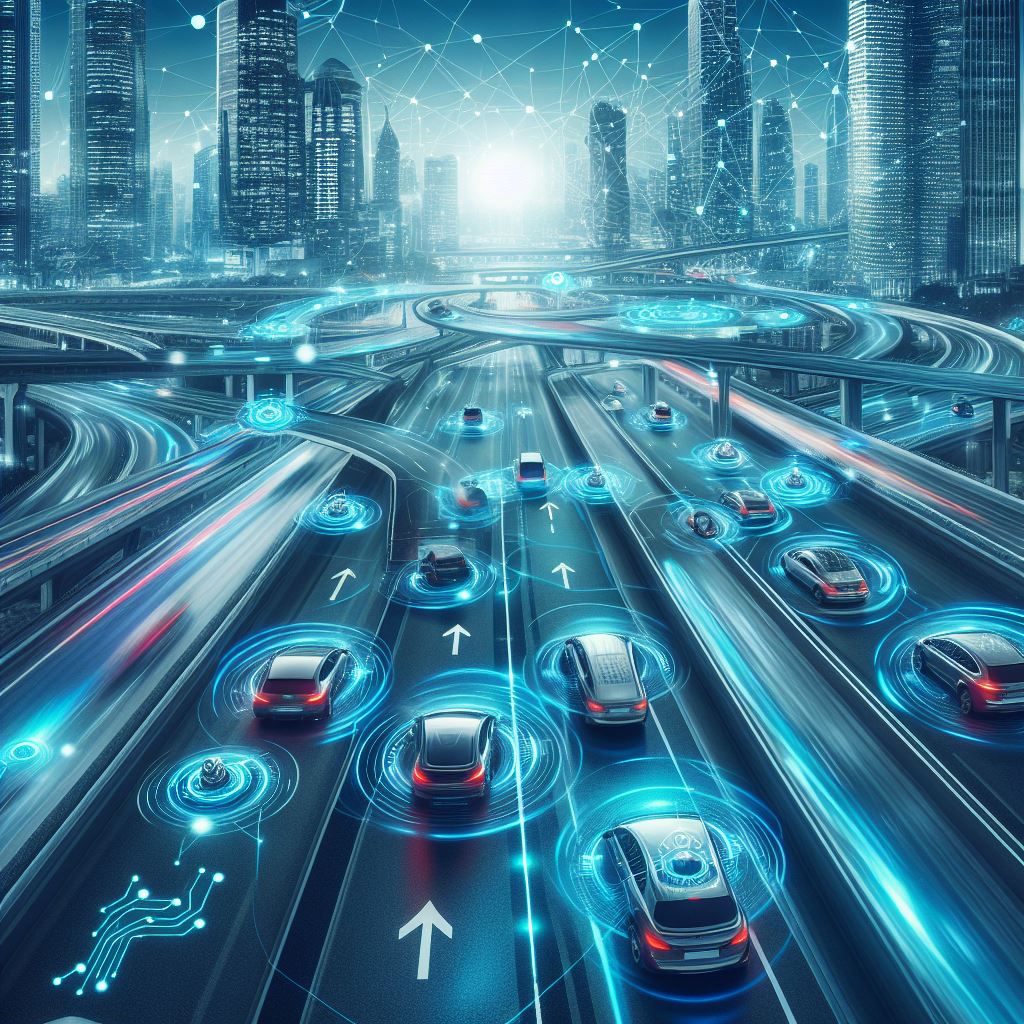
- Automotive: contributes to the development of connected and autonomous vehicles, offering features such as predictive maintenance, real-time monitoring, navigation, and enhanced safety measures.
- Telecommunications: Drives innovations in connectivity, including the development of 5G networks and communication protocols tailored for IoT devices, supporting the increasing number of connected devices.
- Insurance: IoT data from devices like telematics in vehicles or wearables can be utilized for risk assessment, personalised premiums, and improving safety measures, transforming the insurance industry.
The impact of IoT extends to many other sectors, influencing how businesses operate, make decisions, and deliver products and services. Its ability to connect devices, collect data, and enable actionable insights is reshaping industries across the board.

What is the future of the Internet of Things?
The future of IoT (Internet of Things) is poised for continued growth and transformation, with several key trends and developments shaping its trajectory:
- Expansion of Connected Devices: The number of connected devices is projected to skyrocket, encompassing not only traditional devices like smartphones and wearables but also an increasing array of smart home appliances, industrial sensors, and IoT-enabled machinery.
- 5G Integration: The rollout and widespread adoption of 5G networks will significantly enhance IoT capabilities, offering faster speeds, lower latency, and increased capacity, enabling more sophisticated IoT applications and real-time data processing.
- Edge Computing: Edge computing will gain prominence as IoT devices generate vast amounts of data. Processing data closer to its source (at the edge of the network) will reduce latency, improve response times, and lessen the burden on centralized cloud systems.
- AI and Machine Learning Integration: The combination of IoT with AI and machine learning will enable devices to become more intelligent, capable of analyzing data in real time, making autonomous decisions, and learning from interactions.
- Security and Privacy: As the IoT landscape expands, ensuring robust security measures and addressing privacy concerns will be crucial. Innovations in encryption, authentication, and secure device management will be essential to protect IoT ecosystems from cyber threats.
- Interoperability and Standards: Efforts to establish common standards and interoperability protocols among various IoT devices and platforms will continue, allowing seamless communication and integration across different systems.
- Industry-Specific Applications: IoT will increasingly cater to specific industry needs with tailored solutions, such as precision agriculture, smart healthcare devices, autonomous vehicles, and predictive maintenance in manufacturing.
- Sustainability and Energy Efficiency: IoT will play a role in promoting sustainability by enabling smart energy management, optimizing resource usage, and reducing waste across industries through monitoring and data-driven insights.
- Augmented Reality (AR) and Virtual Reality (VR) Integration: The integration of IoT with AR and VR technologies will create immersive experiences and applications in various sectors, including education, healthcare, and retail.
- Regulatory and Ethical Considerations: As IoT evolves, regulations governing data privacy, security standards, and ethical use of data will continue to evolve, requiring compliance and responsible practices from IoT stakeholders.
Overall, the future of IoT holds immense potential for innovation, efficiency gains, and transformative impacts across industries, with advancements driven by technological progress, data-driven insights, and evolving consumer and enterprise needs.
Please sign up for our weekly IoT Newsletter to have these articles direct to your inbox. Thanks for reading 😉