

How is Smart Mining going through a digital transformation?
5G connectivity is set to revolutionise smart mining by enabling faster, more reliable, and real-time communication between machines, systems, and personnel. In traditional mining, network limitations have often restricted the use of real-time data and automation. With 5G, mining operations can become truly “smart” by integrating Internet of Things (IoT) devices, autonomous machinery, and AI-driven analytics into a fully connected ecosystem.
One of the most significant changes in Smart Mining will be the full automation of heavy equipment. With 5G’s ultra-low latency and high bandwidth, mining companies can operate autonomous haul trucks, drills, and loaders with split-second responsiveness, even from remote control centres. This reduces the need for human presence in hazardous zones, significantly improving worker safety and operational efficiency.
Real-time data will also play a crucial role in transforming decision-making in mines. Through thousands of connected sensors, Smart Mining operators can monitor equipment performance, environmental conditions, and production metrics live. This enables AI and machine learning systems to accurately predict equipment failures, optimise energy usage, and efficiently allocate resources without delays or data bottlenecks.
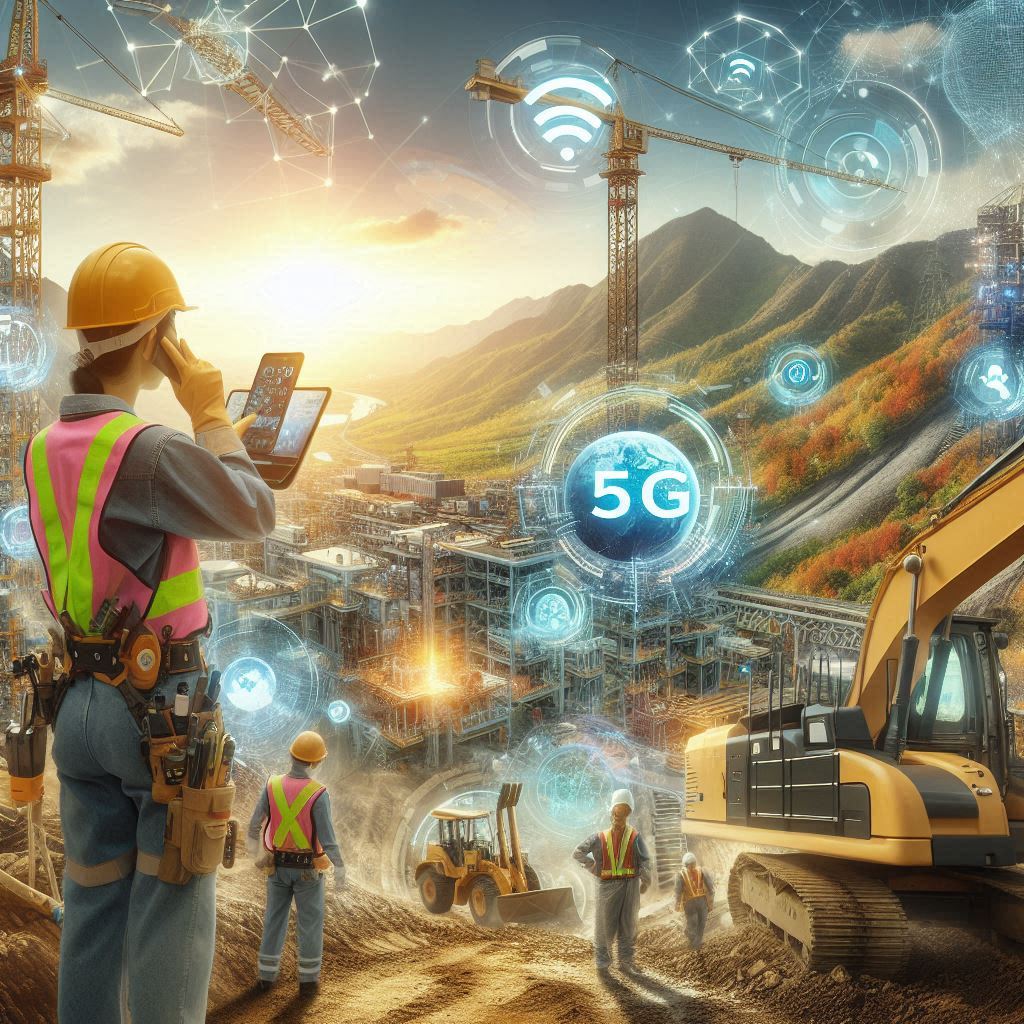
Additionally, 5G will enhance worker safety through connected wearables and smart surveillance systems. Wearable devices will track vital signs, location, and exposure to dangerous conditions, while AI-powered cameras can identify unsafe behaviour or emergency situations and trigger instant alerts. This creates a proactive safety culture with real-time intervention capabilities.
Finally, the flexibility of 5G networks supports scalability and adaptability in mining environments. Whether for underground operations, temporary exploration sites, or expanding open-pit mines, 5G makes it easier to deploy new systems quickly. It also paves the way for greener mining, allowing for better monitoring of environmental impact and more energy-efficient operations through precise, automated controls.
In short, 5G will act as the digital backbone of the smart mine—enabling faster automation, safer working conditions, and more sustainable, data-driven operations.
What do Smart Mining companies need to think about when selecting a 5G Global IoT connectivity provider?
When smart mining companies are selecting a 5G connectivity provider, they need to carefully consider several critical factors to ensure they choose a partner that can meet the unique demands of their operations. Mining environments are complex, often located in remote and harsh regions where traditional connectivity is limited. Therefore, the provider must have the capability to deliver reliable, high-performance coverage in such challenging terrains.
One of the key considerations is network reliability and latency. Mining operations require real-time data transmission for autonomous vehicles, remote monitoring, and worker safety systems. A 5G provider must guarantee ultra-low latency and high uptime to support these mission-critical applications. This means the provider should offer robust Service Level Agreements (SLAs) and have proven experience in deploying private 5G networks tailored to industrial use cases.
Another important factor is network security and data privacy. Mines deal with sensitive operational data, and any breach can lead to significant financial or safety risks. Companies should assess the provider’s security protocols, including encryption, network segmentation, and threat detection systems. In many cases, a private 5G network is preferable to ensure data stays on-site and under company control.
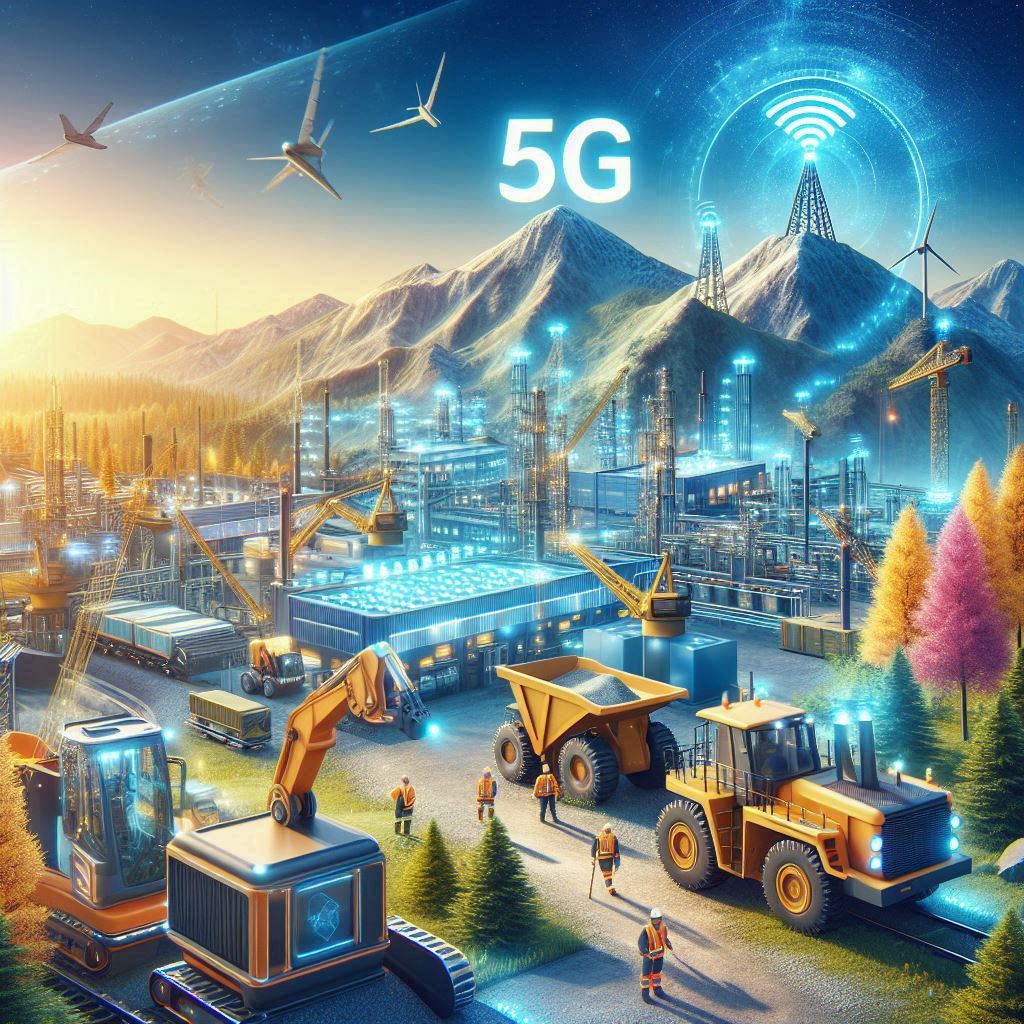
Scalability and flexibility are also vital. As mining sites expand or shift focus—such as from exploration to full production—the 5G network must be able to scale accordingly. The ideal provider should offer modular solutions that can be easily adjusted or expanded without disrupting operations. Compatibility with a wide range of IoT devices, automation systems, and cloud platforms is also crucial for future-proofing.
Support and technical expertise cannot be overlooked. Mining companies should look for providers that offer not just infrastructure, but ongoing support, including deployment assistance, maintenance, and troubleshooting. A provider with industry experience will better understand the operational challenges and provide more tailored solutions.
Finally, cost and long-term value play a role. While 5G investments can be significant, the provider should demonstrate how their solution will contribute to improved productivity, safety, and reduced operational costs over time. Transparent pricing, ROI projections, and case studies from similar projects can help mining companies make informed decisions.
Selecting a 5G connectivity provider for smart mining involves more than just choosing fast internet—it requires a partner who can deliver secure, reliable, scalable, and industry-specific solutions tailored to the dynamic and high-stakes environment of mining.
What is IoT’s role in Evolving Smart Mining?
The Internet of Things (IoT) plays a central role in evolving smart mining by enabling a highly connected and data-driven approach to operations. In traditional mining, many processes are manual, isolated, and dependent on periodic reporting. With IoT, smart mining transforms into a real-time ecosystem where every machine, vehicle, and sensor is part of an intelligent network that constantly shares data to improve decision-making, safety, and efficiency.
One of the most powerful contributions of IoT in mining is its ability to support real-time monitoring of equipment and environmental conditions. Sensors placed on machinery can track factors such as temperature, vibration, fuel usage, and operational hours, helping companies perform predictive maintenance. This reduces unexpected breakdowns, extends equipment life, and lowers repair costs. Similarly, IoT sensors in the environment can detect gas levels, dust particles, seismic activity, and weather conditions, allowing for proactive safety measures and regulatory compliance.
IoT also significantly enhances worker safety in smart mining environments. Wearable devices can monitor the vital signs, location, and fatigue levels of workers in real time. If a worker is exposed to harmful gases or enters a restricted area, the system can immediately send alerts to supervisors or trigger automated responses. This level of connectivity ensures that safety is not reactive but continuous and data-driven.
Moreover, IoT enables automation and autonomous operations by serving as the communication backbone between smart equipment. For example, autonomous haul trucks and drills rely on constant data exchange with control centers and other machines to navigate, operate, and respond to dynamic conditions. IoT makes this possible by maintaining a synchronized, low-latency network across the mining site.
From a business standpoint, the data collected from IoT devices empowers mining companies to make smarter, faster decisions. Analytics platforms can process data streams to identify inefficiencies, optimize resource usage, and improve planning and logistics. Whether it’s adjusting ore extraction schedules or managing energy consumption more effectively, IoT ensures that decisions are based on live, actionable information.
Summary: IoT’s role in evolving Smart Mining
| Then | Now (with IoT) |
|---|---|
| Manual data collection | Real-time sensor data |
| Scheduled maintenance | Predictive maintenance |
| Worker-dependent systems | Automated and remote operations |
| Reactive safety | Proactive safety with wearables |
| Disconnected silos | Integrated digital ecosystems |
In conclusion, IoT is the digital backbone of smart mining. It connects the physical and digital layers of the operation, making mining safer, more efficient, and more intelligent. As IoT technologies continue to evolve and integrate with 5G, AI, and edge computing, their role in transforming the mining sector will only become more critical.