



IoT Trends 2024
The Internet of Things (IoT) continues to evolve rapidly, shaping various industries and enhancing connectivity. Here is a summary of the IoT trends 2024 to watch.

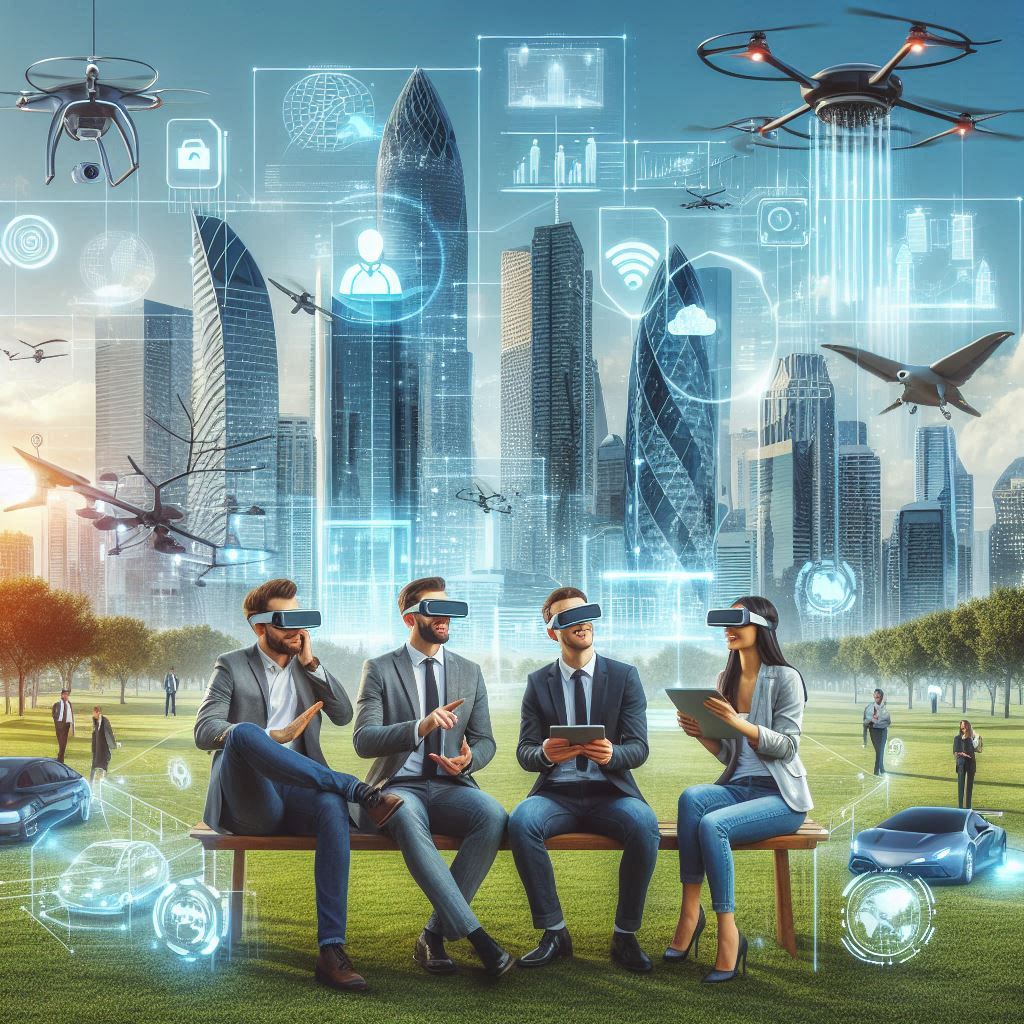
1. Edge Computing
- Shift from Cloud to Edge: As IoT devices proliferate, there’s a growing need for processing data closer to where it is generated—at the edge. This reduces latency, improves response times, and alleviates bandwidth requirements.
- Edge AI: Integrating AI at the edge allows devices to make decisions locally, enhancing real-time analytics and enabling faster actions.
2. 5G Integration
- Enhanced Connectivity: The rollout of 5G networks is a game-changer for IoT, offering faster data transfer speeds, lower latency, and the ability to connect a massive number of devices.
- Industrial IoT (IIoT) Boost: 5G will accelerate the adoption of IoT in manufacturing, smart cities, and other industries by providing reliable and high-speed connectivity.
3. AI and Machine Learning Integration
- Smart IoT Devices: AI and ML are being increasingly integrated into IoT devices to enhance decision-making capabilities, predictive maintenance, and automation.
- Improved User Experience: AI-driven analytics can better interpret data from IoT devices, leading to more personalised and context-aware applications.
4. IoT Security
Security is one of the top IoT Trends 2024.
- Focus on Cybersecurity: With the expansion of IoT, the risk of cyberattacks increases. Enhanced security protocols, including blockchain, zero-trust models, and advanced encryption methods, are becoming critical.
- Regulatory Compliance: Governments and regulatory bodies are implementing stricter regulations for IoT security, making it a priority for organisations.
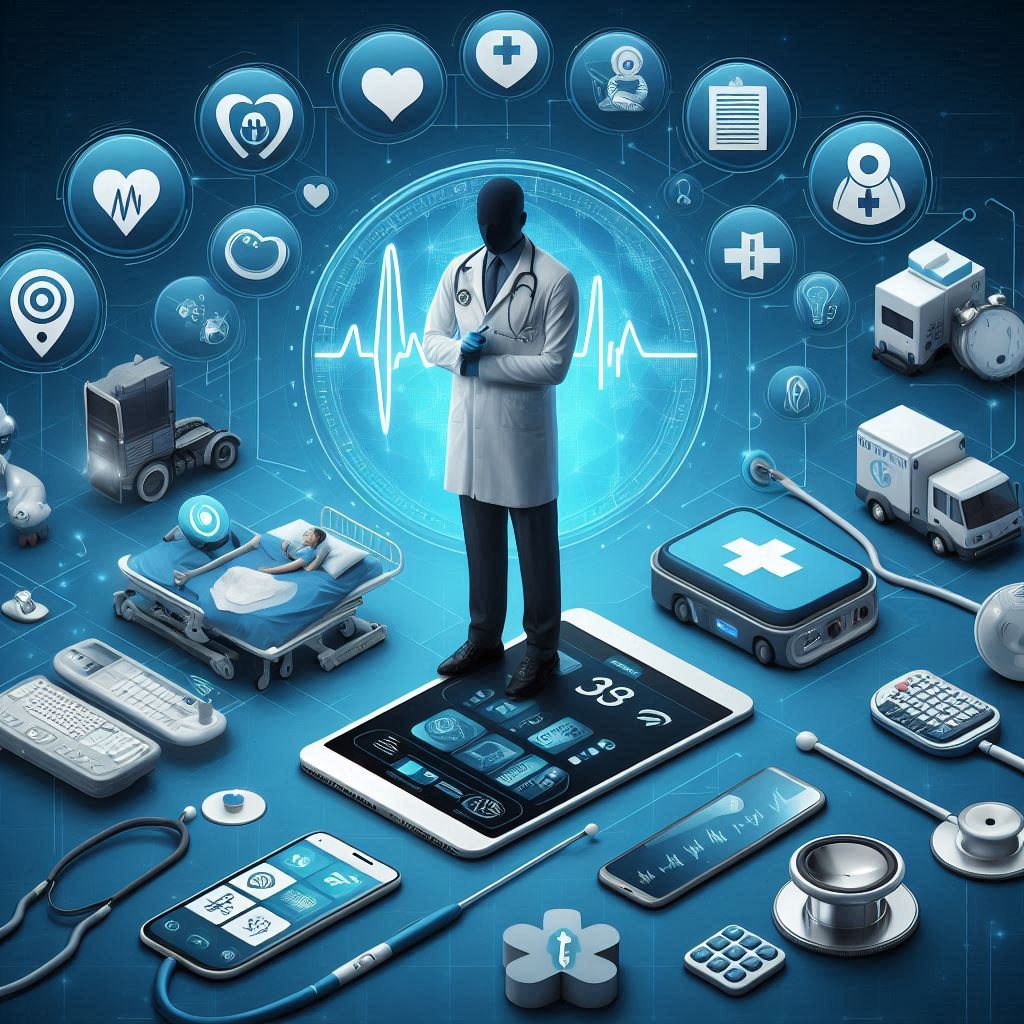
5. IoT in Healthcare
IoT Healthcare is one of the main IoT Trends 2024.
- Telemedicine and Remote Monitoring: IoT transforms healthcare by enabling remote patient monitoring, telemedicine, and wearable health devices that provide real-time health data. Patients can be monitored in real-time through wearable devices, enabling healthcare providers to track vital signs and detect potential health issues early, thereby reducing hospital visits and enhancing care.
- Smart Medical Devices: IoT solutions are being integrated into medical devices, making them smarter and more efficient. These devices can monitor patient conditions continuously and send data to healthcare professionals, enabling more accurate diagnoses and personalised treatment plans.
- Smart Hospitals: IoT devices are being utilised to streamline operations, manage patient flow, and monitor equipment in real-time, resulting in more efficient healthcare services. Smart hospitals represent the future of healthcare, integrating advanced technologies like IoT, AI, big data, and robotics to enhance patient care, streamline operations, and improve overall efficiency. These hospitals use connected devices, real-time data analytics, and automated systems to provide high-quality care while optimising resource management.
6. Smart Cities
- Urban Planning and Management: IoT is integral to smart city initiatives, enabling real-time monitoring of infrastructure, traffic management, energy usage, and public safety.
- Environmental Monitoring: IoT sensors are increasingly used to monitor air quality, water quality, and other environmental factors, contributing to sustainability efforts.
7. IoT in Retail
- Personalised Shopping Experiences: IoT devices in retail, such as smart shelves, beacons, and connected point-of-sale systems, enhance customer experiences through personalized recommendations and seamless checkout processes.
- Supply Chain Optimisation: IoT is improving inventory management, reducing waste, and increasing efficiency in supply chains through real-time tracking and monitoring.
8. Industrial IoT (IIoT)
- Predictive Maintenance: IIoT is enabling predictive maintenance in manufacturing, reducing downtime and increasing efficiency by predicting equipment failures before they happen.
- Automation and Robotics: IoT-powered automation and robotics are revolutionising manufacturing processes, leading to smarter factories.
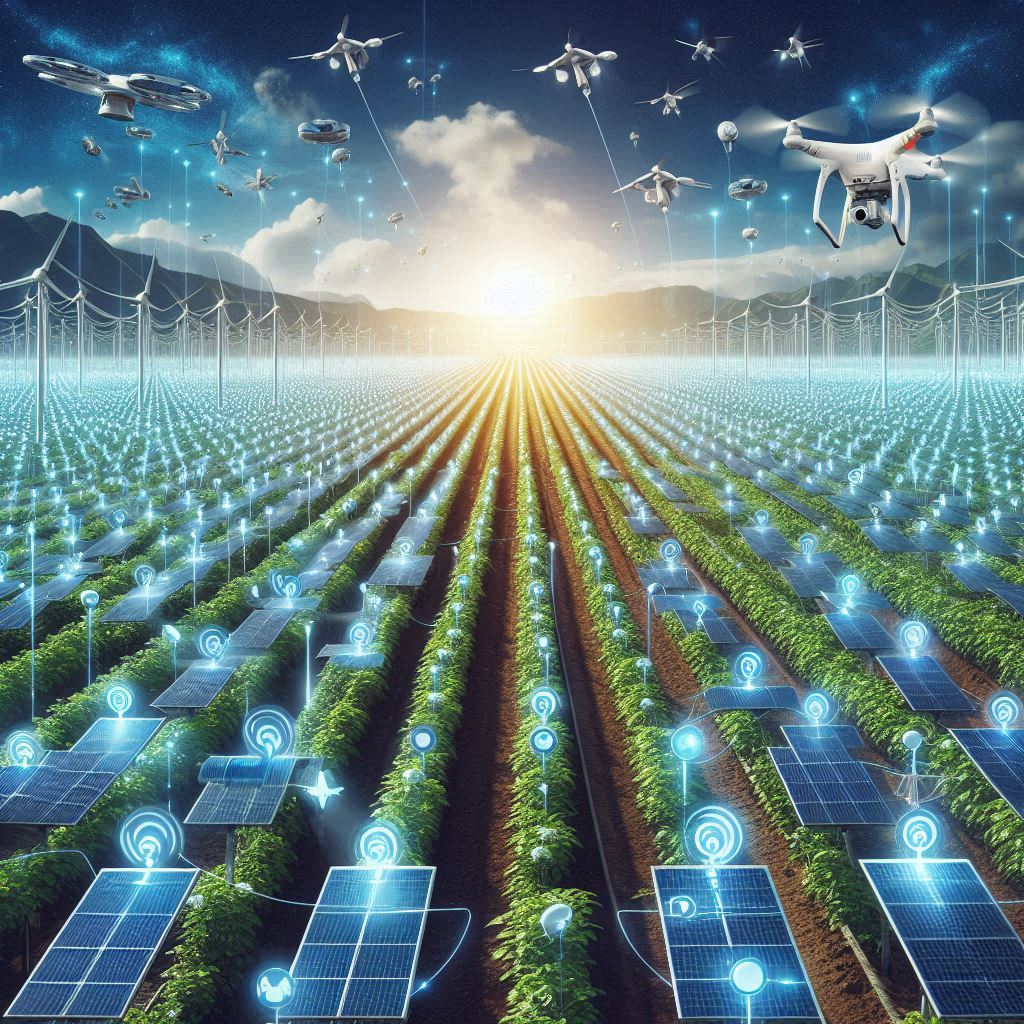
9. Sustainability and Green IoT, is considered one of the top IoT Trends 2024.
- Energy Efficiency: IoT devices are being used to monitor and optimise energy consumption in buildings, factories, and homes, contributing to sustainability efforts.
- Environmental Impact Reduction: IoT solutions are being deployed to reduce waste, manage resources more efficiently, and monitor environmental impacts.
10. Blockchain and IoT
- Enhanced Data Security and Transparency: Blockchain technology is being combined with IoT to secure data transactions, ensuring data integrity and preventing tampering.
- Decentralised IoT Networks: Blockchain enables the creation of decentralised IoT networks, reducing reliance on centralised cloud services and enhancing security and privacy.
These trends highlight the dynamic nature of the IoT landscape, where emerging technologies and innovations are continuously reshaping industries and everyday life.
In summary, IoT solutions drive significant changes across various sectors, leading to improved efficiency, better decision-making, enhanced consumer experiences, and greater environmental sustainability. However, these benefits come with challenges that must be carefully managed to maximise the positive impact of IoT on our lives.